Cannabis Equipment Cleaning: Tips for Compliance and Efficiency
In the cannabis industry, maintaining clean processing equipment is non-negotiable. Proper sanitation ensures regulatory compliance, protects consumer safety, and optimizes operational efficiency.
Contaminated equipment can introduce pathogens, mold, or pesticide residues, compromising product quality and risking costly recalls. As a leader in automated cannabis processing, our equipment, like the M108S Trimmer and MBX Bucker, is designed with hygienic, easy-to-clean features, streamlining maintenance for cultivators. This guide explores best practices for cannabis equipment cleaning, regulatory considerations, and how Mobius’s innovative designs enhance sanitation processes.
Why Cannabis Equipment Cleaning Matters
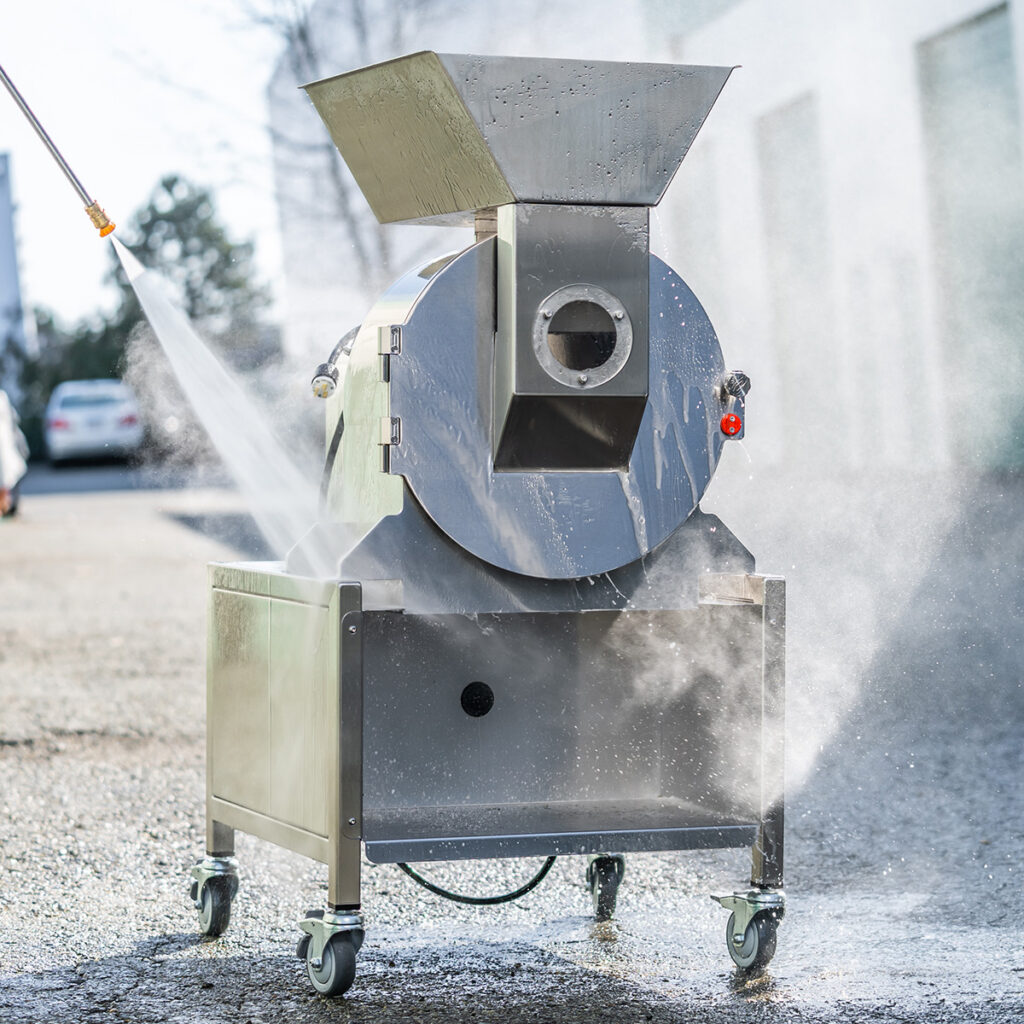
Clean equipment is the backbone of a compliant cannabis operation. Regulatory bodies, such as Health Canada, enforce Good Manufacturing Practices (GMP) to ensure product safety. GMP guidelines require documented cleaning protocols to prevent cross-contamination. For example, microbial contamination, such as Aspergillus or E. coli, can thrive on unclean surfaces, posing health risks. Additionally, regular cleaning extends equipment lifespan, reduces downtime, and maintains consistent product quality, directly impacting profitability.
Mobius equipment, such as the M210 Mill, is engineered with stainless steel and food-grade materials, aligning with GMP standards. These materials resist corrosion and simplify sanitation, saving time and labor compared to traditional equipment.
Regulatory and Safety Considerations
Cannabis processors must navigate a complex regulatory landscape. In the U.S., state-specific regulations, such as California’s Department of Cannabis Control, mandate sanitation protocols. Internationally, Health Canada’s regulations emphasize equipment cleanliness to prevent contamination. Non-compliance can result in fines, license revocation, or product recalls.
Safety is equally critical. Cleaning chemicals require proper handling to avoid health hazards. The Occupational Safety and Health Administration (OSHA) provides guidelines for safe chemical use, emphasizing ventilation and personal protective equipment (PPE). Mobius equipment’s tool-free disassembly reduces exposure to hazardous areas during cleaning, enhancing worker safety.
Types of Cannabis Equipment Requiring Cleaning
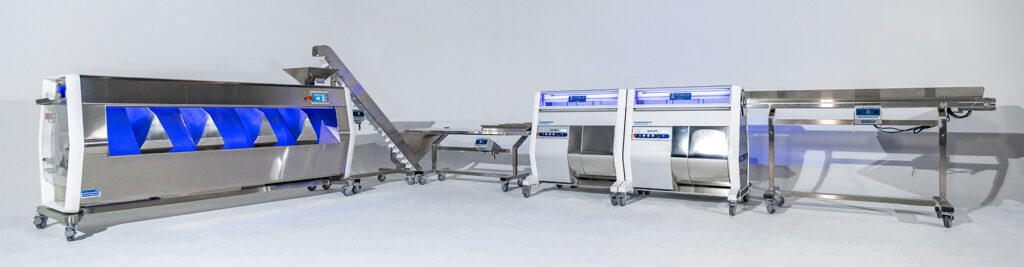
Cannabis processing involves various equipment, each with unique cleaning needs:
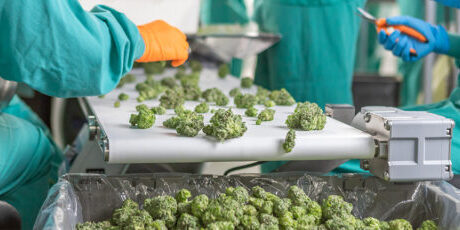
- Buckers: Destem cannabis buds from the stalk. Plant-touching components collect debris.
- Trimmers: Remove excess plant material. Resin buildup is common.
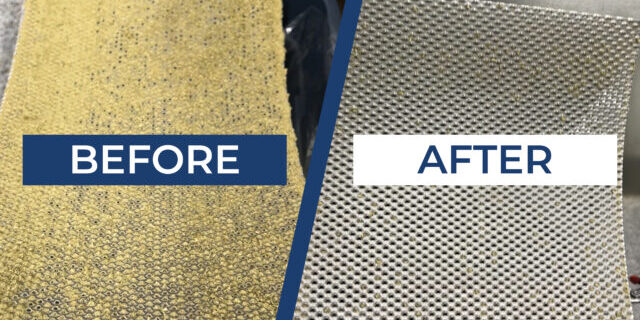
- Sorters: Collect trimmed buds separated by size. Belts need frequent cleaning.
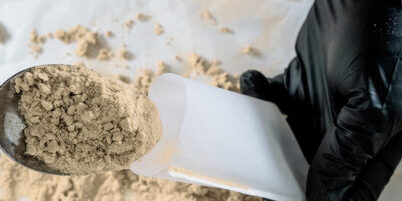
- Mills: Grind cannabis for pre-rolls or extraction. Fine particles accumulate and impact processing efficiency.
- Conveyors: Transport material. Residue can contaminate subsequent batches.
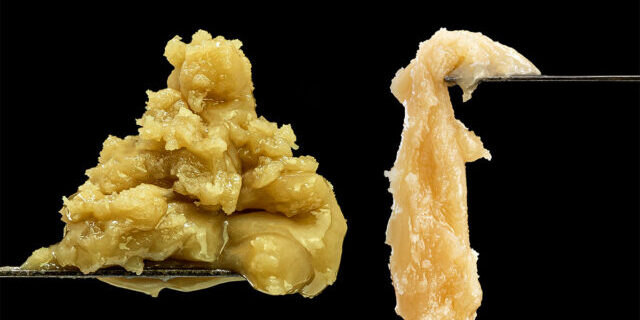
- Extraction: Processing flower or bubble hash for solvent-based or solventless extraction. Hash washers and rosin presses must remain clean for proper, quality processing.
The Mobius M108S Trimmer easily disassembles, reducing residue traps and allowing for a thorough cleaning. The MBX Bucker also offers quick disassembly and can be pressure-washed in minutes. These features align with industry standards for cleaning and processing.
Step-by-Step Cleaning Process
Effective cleaning requires a systematic approach. Below is a GMP-compliant process tailored for cannabis processing equipment:
- Preparation:
- Power off and unplug equipment.
- Wear PPE (gloves, goggles, etc.) and follow manufacturer safety precautions when using pressure washers and chemical cleaners.
- Gather tools: brushes, scrapers, pressure washers, and food-grade sanitizers.
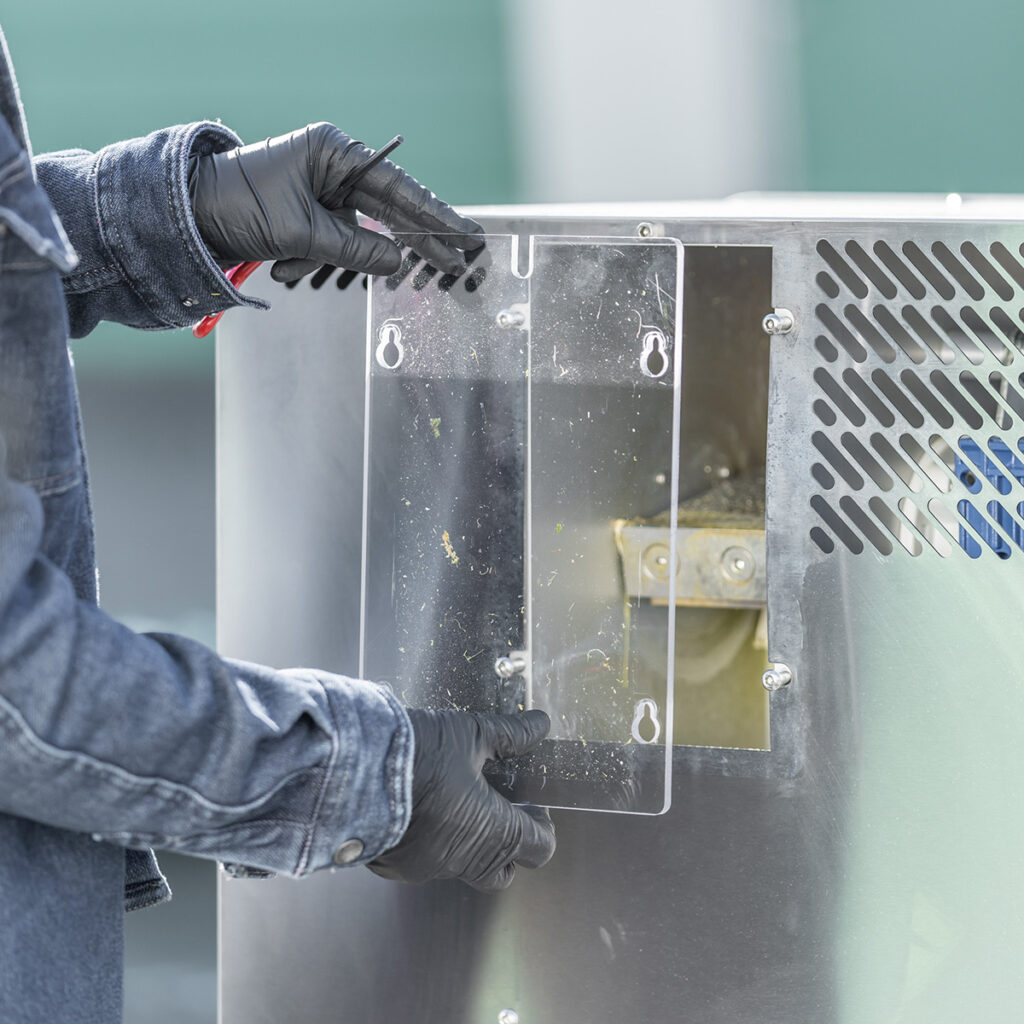
- Disassembly:
- Remove detachable components (e.g., blades, trays). Mobius’s tool-free designs, like the M108S Trimmer, simplify this step.
- Set aside any removable power sources and ensure the motors, gearboxes, and electrical enclosures are not sprayed or pressure-washed.
- Pre-Cleaning:
- Remove loose debris with a dry brush or clean cloth.
- Avoid water in electrical areas.
- Cleaning:
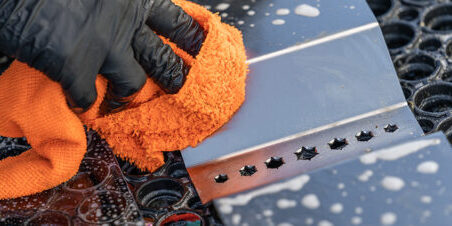
- Apply food-grade cleaners to surfaces. Review and follow manufacturer’s instructions for dilution ratios and soaking times.
- Use soft brushes or gentle scrapers for resin buildup. Avoid abrasive tools that damage stainless steel.
- Sanitization:
- Apply an approved disinfectant. Follow contact time recommendations.
- Rinsing and Drying:
- Rinse thoroughly with potable water.
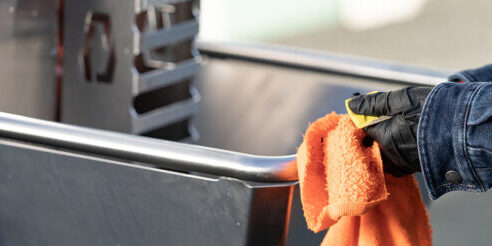
- Air-dry or use lint-free cloths to prevent contamination.
- Reassembly and Inspection:
- Reassemble components.
- Verify functionality before use.
Mobius provides detailed manuals and videos to guide users through this process for each machine.
Recommended Cleaning Schedules
Cleaning frequency depends on usage and regulatory requirements. General guidelines include:
- Daily: Wipe down surfaces and remove debris.
- Weekly: Deep clean high-contact areas (e.g., trimmer blades).
- Monthly: Disassemble and sanitize all components.
High-throughput operations may require more frequent cleaning. Mobius’ efficient designs reduce cleaning time, allowing cultivators to maintain schedules without sacrificing productivity.
Safe Cleaning Agents
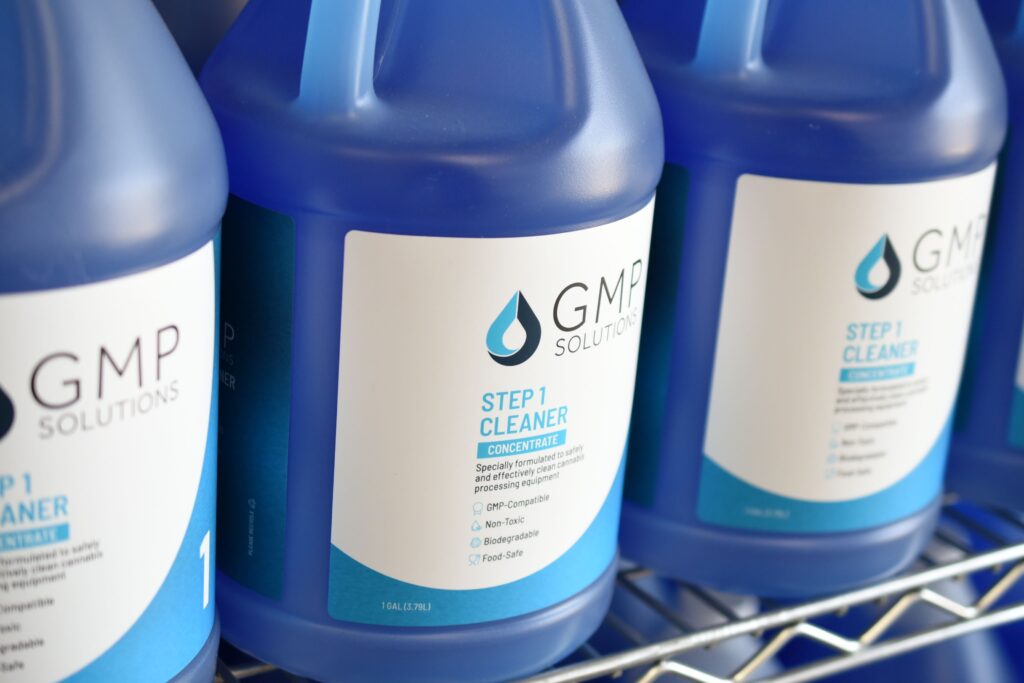
Selecting appropriate cleaning agents is critical. Search for food-grade cleaners and sanitizers that are compliant with GMP standards.
Avoid harsh chemicals like bleach, which can corrode stainless steel. Mobius’s materials are compatible with industry-standard cleaners, ensuring durability.
Mobius Equipment Cleaning Advantages
Mobius equipment is designed with sanitation in mind, offering distinct advantages:
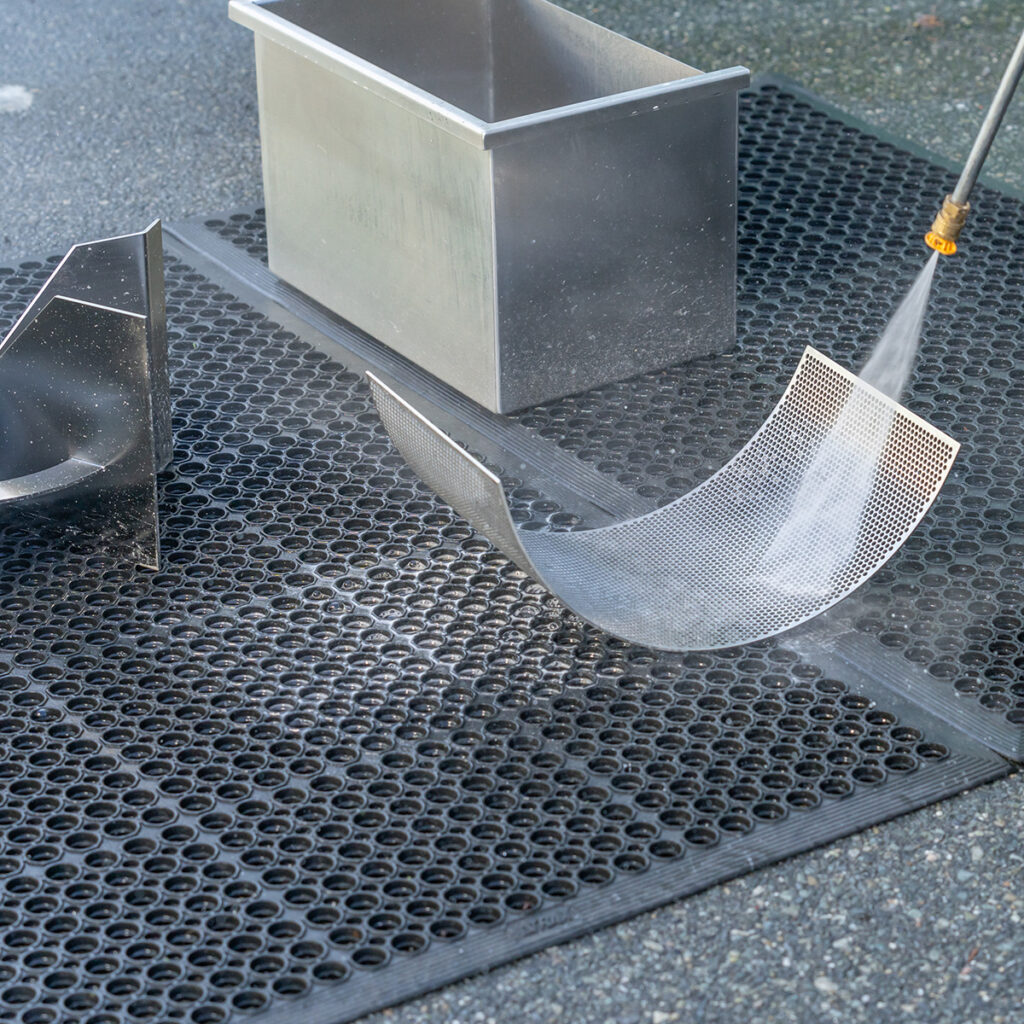
- Hygienic Materials: Stainless steel and food-grade components resist contamination and corrosion.
- Tool-Free Disassembly: Reduces cleaning time by up to 50% compared to competitors.
- Accessible Components: Minimizes hard-to-reach areas.
- GMP Compliance: Aligns with regulatory standards, reducing audit risks.
For example, the M210 Mill’s precision engineering ensures minimal particle buildup, simplifying maintenance. These features translate to lower labor costs and higher throughput for cultivators.
Common Cleaning Challenges and Solutions
Cannabis equipment cleaning presents unique challenges:
- Resin Buildup: Sticky residues adhere to blades and surfaces.
- Solution: Use a higher concentration of the cleaning solution and soft brushes. Mobius’s smooth surfaces reduce adhesion.
- Hard-to-Reach Areas: Complex designs trap debris.
- Solution: Mobius’s modular components, like those in the MBX Bucker, allow full access for cleaning.
- Time Constraints: Cleaning can disrupt production.
- Solution: Mobius’s efficient designs minimize downtime.
Regular maintenance prevents these issues from escalating, ensuring consistent performance.
Maintenance Tips for Equipment Longevity
Beyond cleaning, preventative maintenance extends equipment lifespan:
- Training: Provide proper training and resources to machine operators.
- Inspection: Check for wear and tear regularly.
- Calibration: Ensure precision in components and settings.
Mobius’s support resources, including manuals and videos, empower users to maintain equipment effectively.
Effective Equipment Management
Effective cannabis equipment cleaning is essential for compliance, safety, and efficiency. By following GMP-compliant protocols and leveraging Mobius’s innovative equipment, cultivators can streamline maintenance, reduce downtime, and ensure product quality. From the M108S Trimmer to the Sorter and Automation Conveyors, Mobius’s hygienic designs set the standard for ease of cleaning.
Explore Mobius’s full product range to elevate your processing operation.