Mastering Bubble Hash Quality Tests
The Critical Role of Material Testing in Solventless Extraction
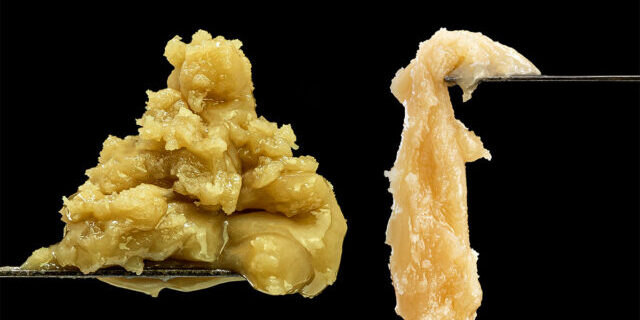
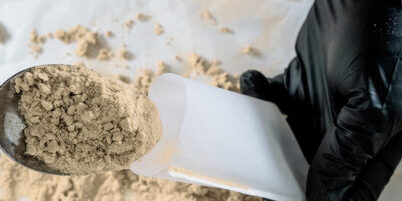
In the evolving landscape of cannabis processing, solventless extraction methods like bubble hash production stand out for their purity and preservation of natural cannabinoids and terpenes. Bubble hash, a granular concentrate derived from ice water agitation and filtration, demands meticulous attention to the quality of the starting material to achieve high-potency, full-melt results. Not every cannabis cultivar excels in this mechanical separation process; variations in trichome shape, resin density, and structural integrity can drastically impact yields and final product quality.
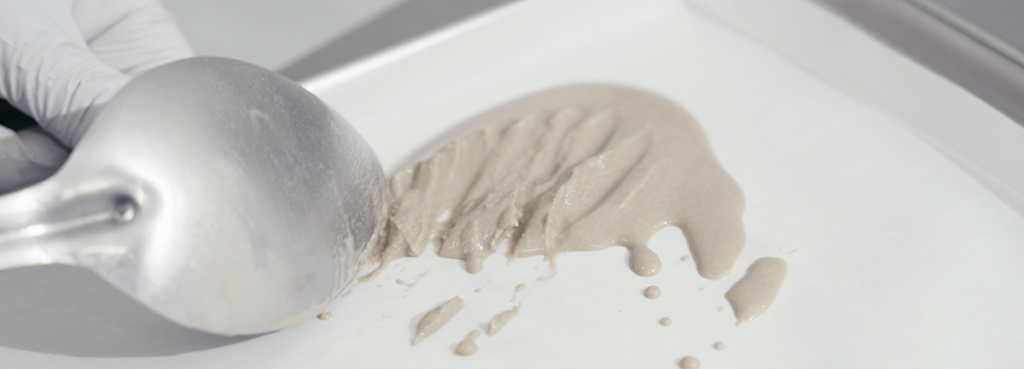
Without preliminary evaluation, producers risk committing substantial resources—time, labor, and biomass—to suboptimal runs, leading to diminished returns and potential financial losses. Extraction variability can stem from genetic and phenotypic differences in the source material. By integrating a simple test, cultivators can predict extraction potential with remarkable accuracy, safeguarding investments and optimizing workflows.
Automation equipment, from precision trimmers to dedicated hash washers, is engineered to complement rigorous testing protocols, ensuring seamless transitions from small-scale validation to commercial-scale production. This guide delves into the science behind ideal starter material, the pitfalls of untested full runs, and a comprehensive step-by-step protocol for the Mason Jar Test—empowering you to elevate your bubble hash quality consistently.
Decoding Ideal Starter Material: Key Characteristics for Superior Bubble Hash
To master a bubble hash quality test, it’s important to understand the biological characteristics of high-performing cannabis strains. Trichomes—the resinous glands housing cannabinoids and terpenes—are the cornerstone of extraction success. These trichomes have a bulbous head encased in a waxy cuticle that must detach from the flower, but remain intact during agitation without rupturing prematurely.
Essential Traits of Premium Starter Material
High-quality material for bubble hash features some notable characteristics:
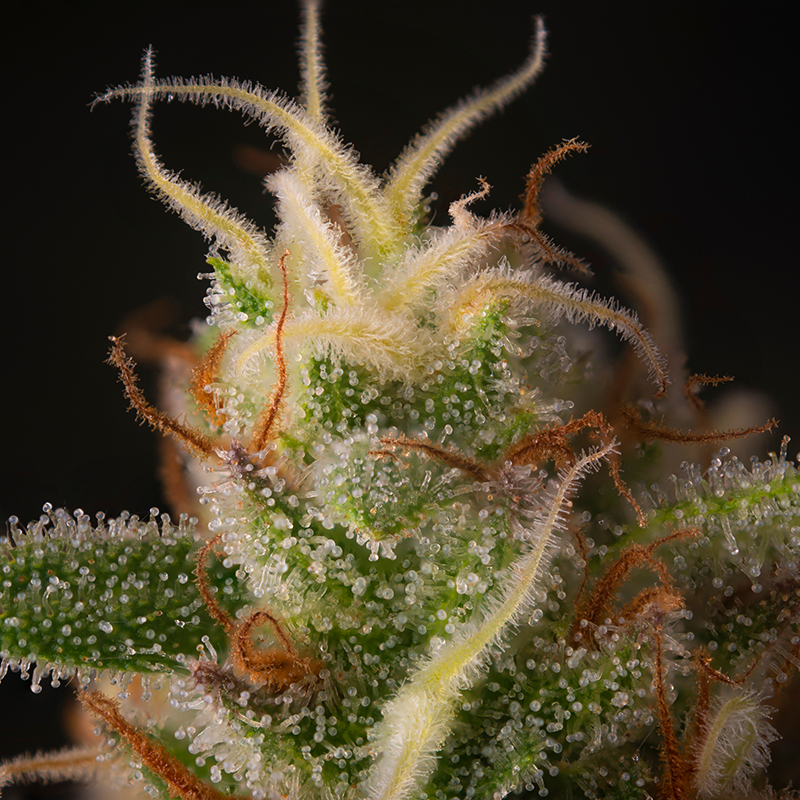
- Elevated Cannabinoid and Terpene Profiles: Strains with cannabinoid concentrations exceeding 20% potency and robust terpene quantities yield potent, flavorful hashes. These compounds are encapsulated within the trichome head, making their preservation paramount.
- Resilient Trichome Structures: Optimal trichomes possess thick, waxy encasements that withstand the shear forces of bubble hash extraction. Mature trichomes with intact stalks and non-fragile heads separate cleanly, minimizing contamination from plant waxes or chlorophyll.
- Abundant Glandular Density: Look for cultivars with densely packed trichome coverage on bracts and calyxes, often visible as a frosty sheen under magnification. Quantitative assessments correlate higher glandular counts with better extraction yields.
In contrast, undesirable traits include fragile trichome heads that burst under mild agitation, releasing extraneous contents and compromising purity. Such material often results in “dirty” hash with off-flavors and reduced potency. For producers scaling operations, automation equipment ensures uniform preparation of the material, preserving trichome integrity from harvest to test while reducing manual handling errors and maintaining the quality needed for accurate bubble hash quality tests.
Why Micro-Scale Validation is Essential
Committing an entire harvest to an unverified bubble hash run is a high-stakes gamble in modern cannabis processing. The mechanical nature of ice water extraction amplifies strain-specific vulnerabilities: poor performers may yield as little as 2-4% hash by weight, versus 8-12% from elite material, translating to thousands in lost revenue per pound processed.
Key Risks Associated with Untested Full Runs
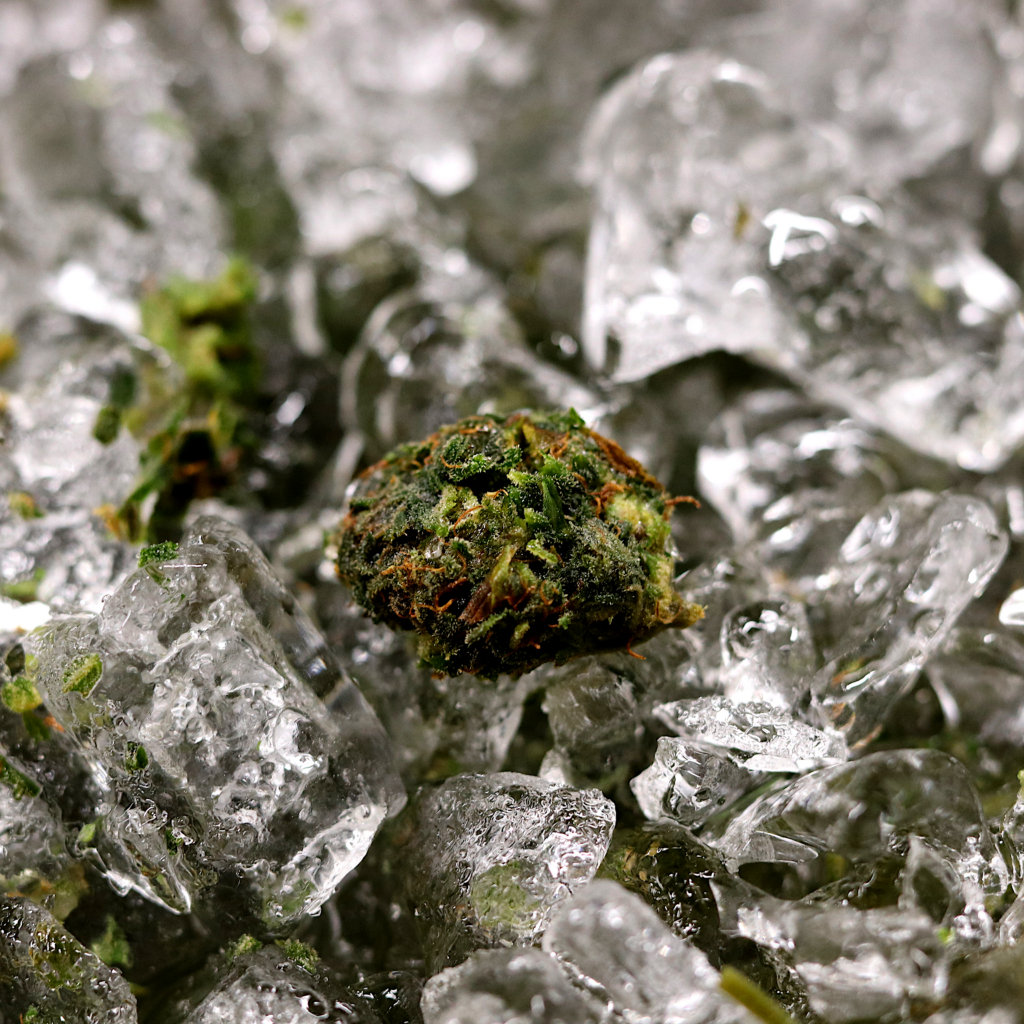
- Resource Waste and Inefficiency: A single suboptimal batch can tie up extraction vessels, filtration systems, and drying infrastructure for days, with contaminated yields and necessary cleaning time.
- Quality Compromises and Market Rejection: Subpar hash often fails melt tests (e.g., incomplete vaporization at certain temperatures), which results in lower-quality rosin and erodes brand trust. Regulatory compliance for contaminants becomes harder to achieve without baseline purity.
- Scalability Bottlenecks: Without predictive testing, iterative adjustments consume valuable cold-room time, delaying throughput in automated setups and restricting process repeatability.
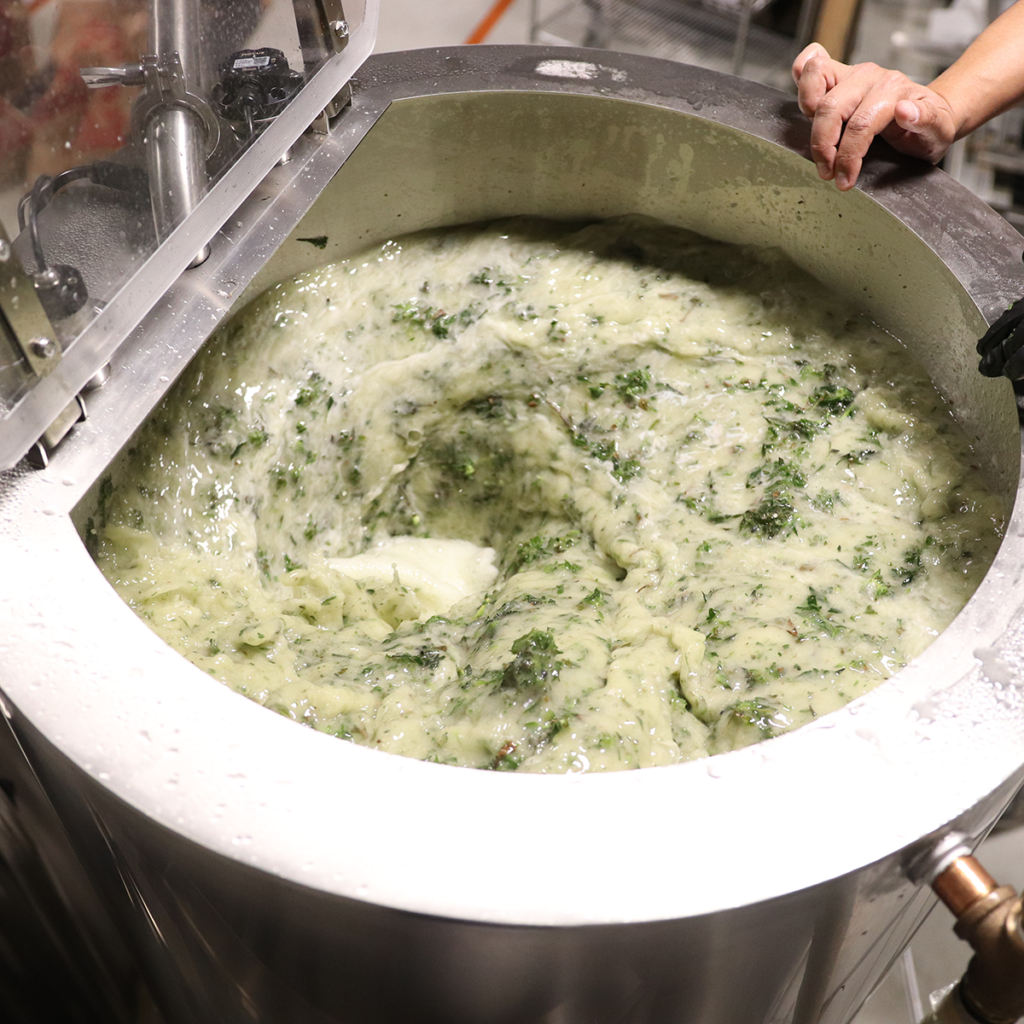
Enter micro-scale testing: a low-risk, high-fidelity approach that mirrors full extraction dynamics on a fraction of the material. The Mason Jar Test, in particular, replicates agitation and sedimentation phases, providing data on trichome release rates. This method aligns with lean manufacturing principles, minimizing waste while maximizing informational yield—a core tenet of sustainable cannabis production.
A commercial-scale hash washer like the M100 solventless system integrates seamlessly post-testing, offering multi-vessel automation that features a 100-gallon wash cycle capacity with high trichome recovery rates, turning validated material into market-ready bubble hash effortlessly.
The Mason Jar Test: A Validated Step-by-Step Protocol
The Mason Jar Test serves as a cornerstone bubble hash quality test. This protocol leverages principles of fluid dynamics and cryogenic separation to forecast full-run performance, with correlations to yield and help inform batch SOPs. Agitating small samples in a controlled cold environment, quantifies resin detachment without specialized equipment, making it accessible for all producers to test a sample.
Materials Required for the Test
To ensure reproducibility, standardize your setup:
| Material | Quantity/Specification | Purpose |
| Pint or Quart Wide-Mouth Mason Jars | 1 per strain (glass, BPA-free) | Containment for agitation and observation |
| Permanent Marker/Labels | As needed | Strain differentiation in multi-sample tests |
| Filtered Water | Colder temperatures preferred | Medium for trichome suspension |
| Ice | Enough to fill jar halfway | Maintains temperatures for trichome release |
| ~15 grams Starter Material | Fresh/frozen or dried flower | Representative sample (standardize weight for comparisons) |
| Fridge/Freezer | Clean, prepped environment | Simulates cold-room extraction conditions |
| Filter Paper or Bubble Bags (Optional) | 25-220 micron range | Quantitative collection and micron-specific analysis |
Detailed Procedures: Executing the Mason Jar Test
Follow this protocol for optimal results, drawing from established solventless SOPs refined over years of industry application.
- Preparation: Fill each Mason jar halfway with ice, then add ~15 grams of starter material. This ratio mimics the biomass-to-water volume in commercial washers, ensuring proportional agitation forces. When test washing multiple cultivars, label each jar accordingly.
- Hydration and Cold Soak: Introduce filtered water to ~75% jar capacity, sealing loosely to avoid pressure buildup. Place in the fridge for 5-10 minutes (fresh/frozen material) or 15-20 minutes (dried). This step primes trichomes for detachment while preventing cannabinoid degradation—key to retaining volatile terpenes.
- Agitation Phase: Secure the lid and shake for approximately 10 minutes, emulating the agitation of mechanical washers. Use consistent intensity to achieve optimal results.
- Sedimentation and Rest: Return the jar to the fridge for 10 minutes, twisting midway (~5 minutes) to aid in the separation of the resin from the plant. The resin should all fall and settle at the bottom of the jar. Low temperatures promote clean separation, with denser trichome heads migrating downward.
- Visual Assessment: Inspect the jar base for resin accumulation. A visible layer indicates detachment efficiency. When comparing strains, test jars with more resin at the bottom will wash better.
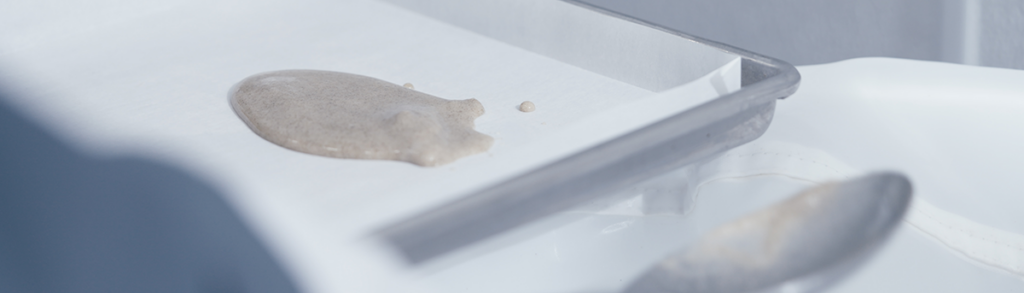
- Optional Filtration and Micron Analysis: To better visualize your test, you may separate the contents of the jar through filter paper or bags. Collect and dry samples to predict grade-specific yields—e.g., 73-microns for full-melt hash. This step enhances precision, aligning test data with full-scale outputs.
Pro Tips for Enhancing Test Accuracy and Reproducibility
- Comparative Testing: Run parallel jars with known control strains (e.g., a high-yield benchmark cultivar) to calibrate results. Washing a control strain that you know performs well will give you a good gauge when comparing.
- Standardization Protocols: Maintain uniform sample weights and shake durations to isolate genetic variables. Do not fill the jar completely. This will prevent the material from washing properly.
- Aggressive Yet Controlled Agitation: Use vigorous shaking to simulate real-world extraction.
- Temperature Consistency: Fridge soaks replicate cold-room environments, reducing microbial risks and preserving cannabinoid stability.
These refinements transform the Mason Jar Test from a rudimentary check into a robust predictive tool.
Interpreting Results: From Visual Cues to Actionable Insights
A successful bubble hash quality test is dependent on objective evaluation. After agitation and sedimentation, scrutinize the jar base: a thick, uniform trichome layer signals excellent material. Sparse or cloudy accumulations suggest fragility or low density, warranting revaluation or further breeding.
Quantitative and Qualitative Metrics
- Visual Indicators: Pale, granular residues denote intact heads; green tinges imply contamination. Cross-reference with melt tests on collected samples—full vaporization without residue confirms premium quality.
- Decision Framework: If the material seems suboptimal for hash washing after the sample quality test, the cultivar can be tested instead for other processes like rosin pressing for extraction or milling for pre-rolls.
- Advanced Inspection: Dry the sample and carefully evaluate for trichome integrity.
Scaling from Test to Production: Leveraging Automation for Efficiency
Transitioning validated test material to full extraction amplifies the Mason Jar Test’s value. Poor tests avert disasters; strong ones unlock scalability. The benefits of integrating automation equipment for consistency, quality, and scalability include:
- Yield Optimization: Automated systems like the M100 boost throughput exponentially over manual methods, with maximum trichome retention.
- Consistency and Compliance: Stainless-steel construction ensures sanitary, repeatable processes, reducing variability and maintaining consistency across different harvests.
- Cost Savings: ROI is achievable via labor reductions and waste minimization, allowing for an efficient, streamlined extraction operation.
Empowering Sustainable, High-Yield Bubble Hash Production
The Mason Jar Test is just one of many ways to predict quality and maintain product assurance. Genetic screening via marker-assisted selection identifies resin-dominant phenotypes pre-harvest, while post-test drying protocols (e.g., freeze-drying) preserve cannabinoids. Controlled environmental factors like humidity, light, and further safeguard samples.
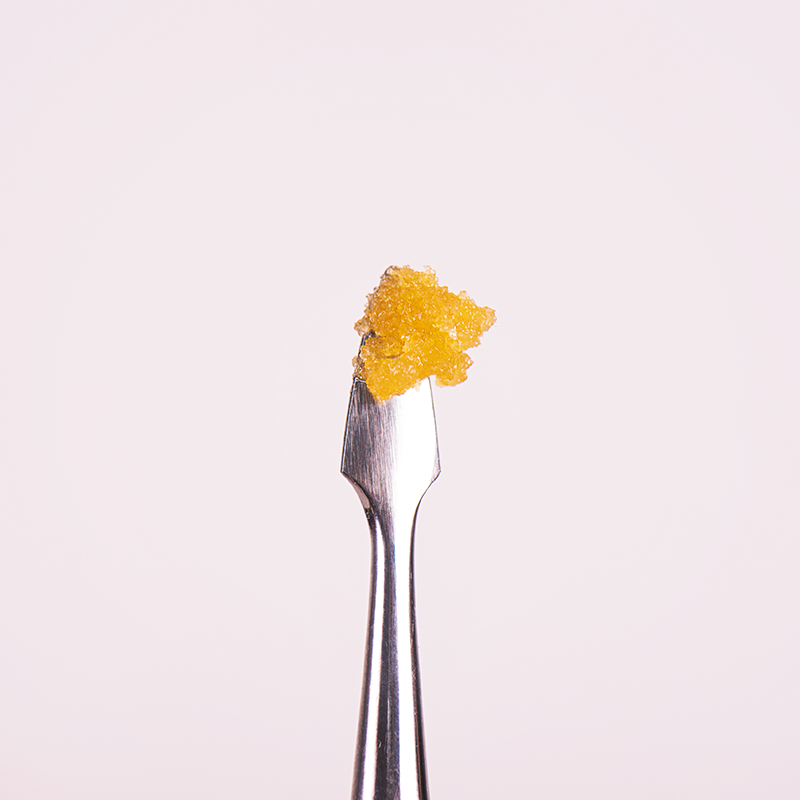
This test revolutionizes bubble hash quality assessment, offering a simple, scalable gateway to solventless mastery. By preempting waste on inferior cultivars and spotlighting resin-rich performers, it fosters resource-efficient operations—yield uplifts and reduced operational downtime.
Whether refining phenotypes or launching commercial lines, rigorous testing ensures every run delivers premium, full-melt bubble hash that captivates consumers and complies with standards. Contact Mobius for more on efficiently scaling your solventless operations.