Mastering Post-Harvest Cannabis Processing
The Critical Role of Post-Harvest Processing in Cannabis Quality
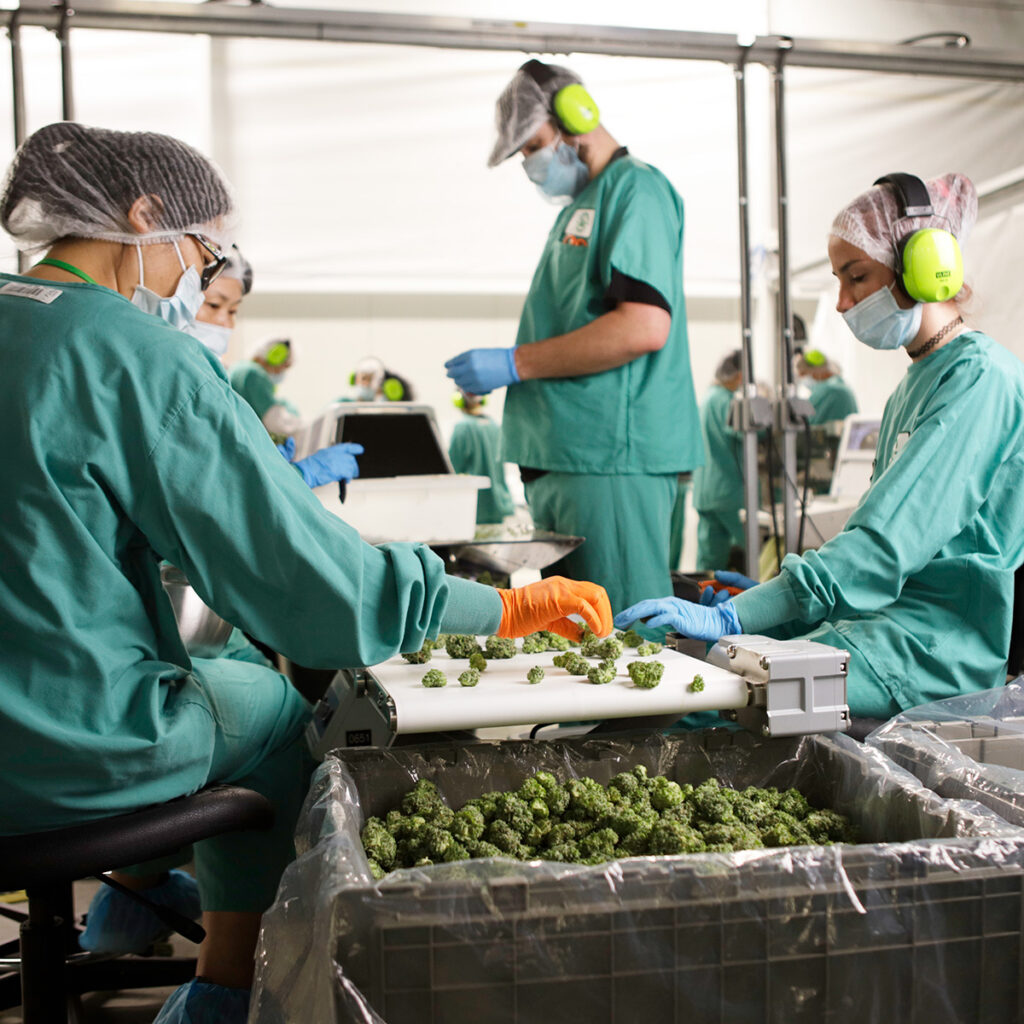
In the rapidly evolving cannabis industry, the journey from cultivation to consumer product hinges on meticulous post-harvest handling. Post-harvest cannabis processing encompasses a series of interconnected steps—harvesting, bucking, trimming, sorting, drying, curing, storage, and potentially extraction—that directly influence the final product’s cannabinoid profile, terpene retention, microbial safety, and overall market value. Suboptimal post-harvest practices can lead to cannabinoid degradation, significant terpene loss, and increased mold risk, diminishing yields and risking potential profits. For cultivators and processors seeking to maximize return on investment, adopting evidence-based techniques is not just for efficiency; it is essential for product quality and compliance.
This comprehensive guide emphasizes the hard and soft benefits of advanced equipment, which streamlines workflows while preserving the plant’s most delicate compounds. By integrating automation, cultivators can achieve GMP-compliant operations that enhance efficiency, reduce labor costs, and ensure consistent, high-quality outputs. Whether you’re scaling a commercial operation or refining artisanal methods, these insights will empower you to produce premium cannabis that commands premium prices.
The Science of Post-Harvest Cannabis: Cannabinoids, Terpenes, and Degradation Risks
At its core, post-harvest processing aims to stop degradation processes that begin the moment a cannabis plant is severed from its roots. Freshly harvested flower contains over 100 cannabinoids, alongside volatile terpenes responsible for aroma and therapeutic effects. However, exposure to light, heat, oxygen, and humidity triggers decarboxylation and introduces contamination risks, potentially reducing potency if improperly managed and processed.
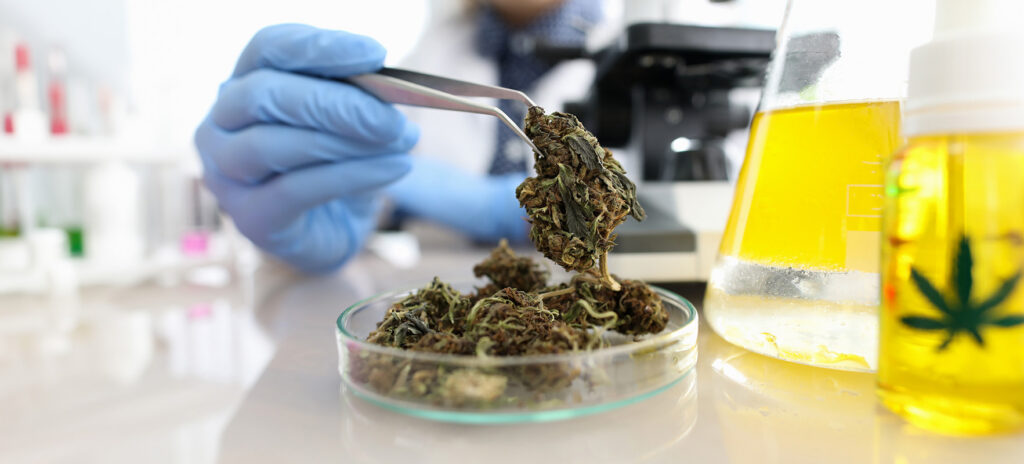
With microbial contamination posing another threat, improper drying can foster mold, rendering batches unsalable under regulatory standards. Controlled post-harvest operations—maintaining relative humidity (RH) around 50-65% (depending on the stage of processing) and temperatures between about 60-70°F—minimize these risks while maintaining trichome integrity and potency stability.
From an economic standpoint, precision in these stages can boost yields through better trichome retention and reduced waste. Mobius equipment exemplifies this precision, with tools like the M108S Trimmer, delivering hand-like cuts that preserve trichomes, far surpassing manual methods in both speed and consistency. This not only elevates product quality but also slashes operational costs, allowing producers to recoup investments quickly.
Optimal Harvesting Techniques: Timing and Initial Handling
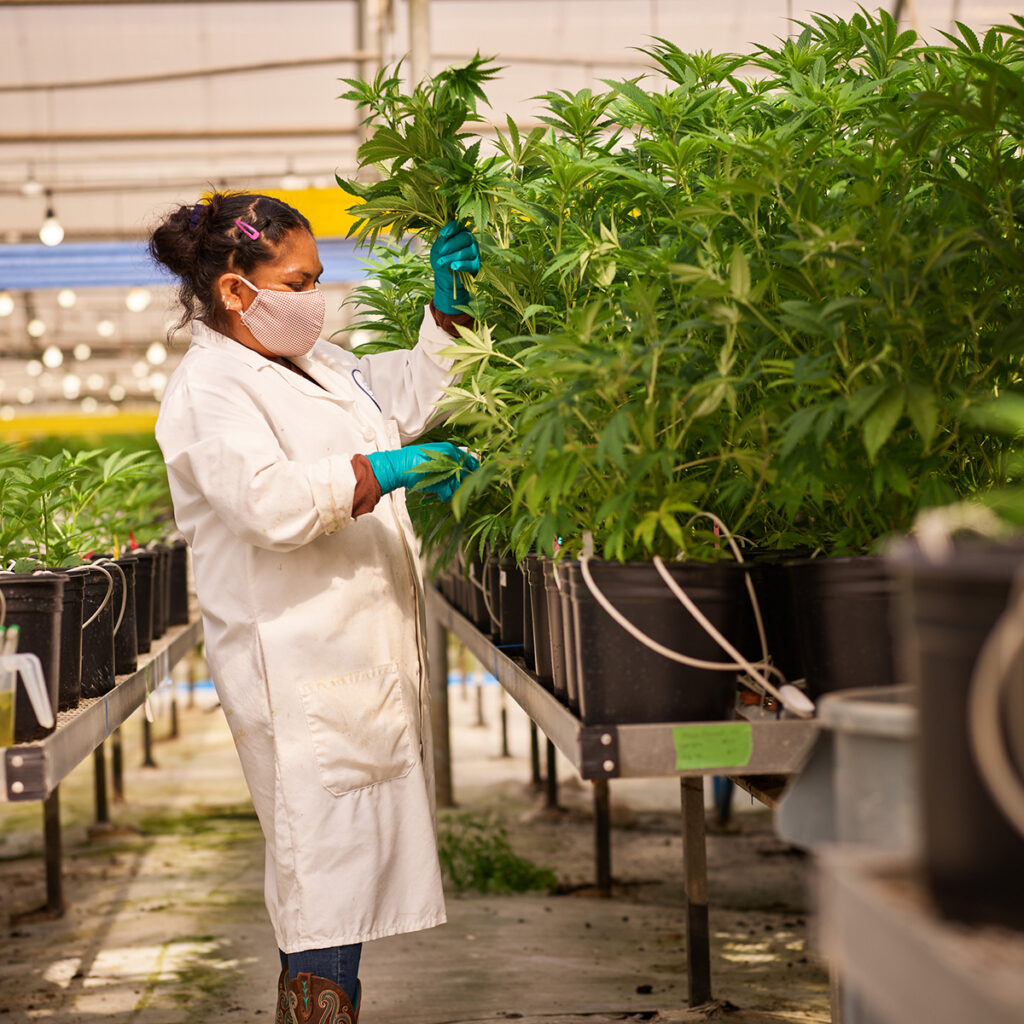
The post-harvest workflow begins with harvest timing, a decision grounded in trichome maturity and cannabinoid peaks. Milky/cloudy trichomes signal peak potency and ripeness, while clearer heads are not ready to be harvested, and amber trichomes indicate the flower is starting to go past peak ripeness.
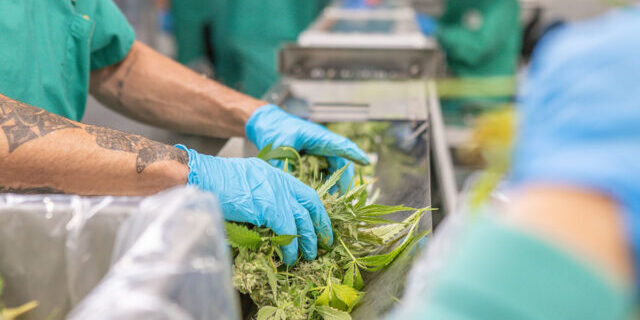
Initial handling demands gentleness to avoid damage and contamination. Cut plants at the base using sterilized shears, then transport them in breathable crates to the first step of post-harvest processing. For large-scale operations, automated bucking—separating buds from stems—streamlines this phase. The MBX Bucker offers tunable speeds that accommodate varying bud densities, reducing labor requirements and waste significantly. With an integrated stem chipper, the stalks are cut into small pieces during processing, making waste management streamlined and cost-effective. The commercial bucker seamlessly integrates into workflows, transforming what was once a bottleneck into a high-throughput asset.
Commercial Trimming and Maintaining Potency
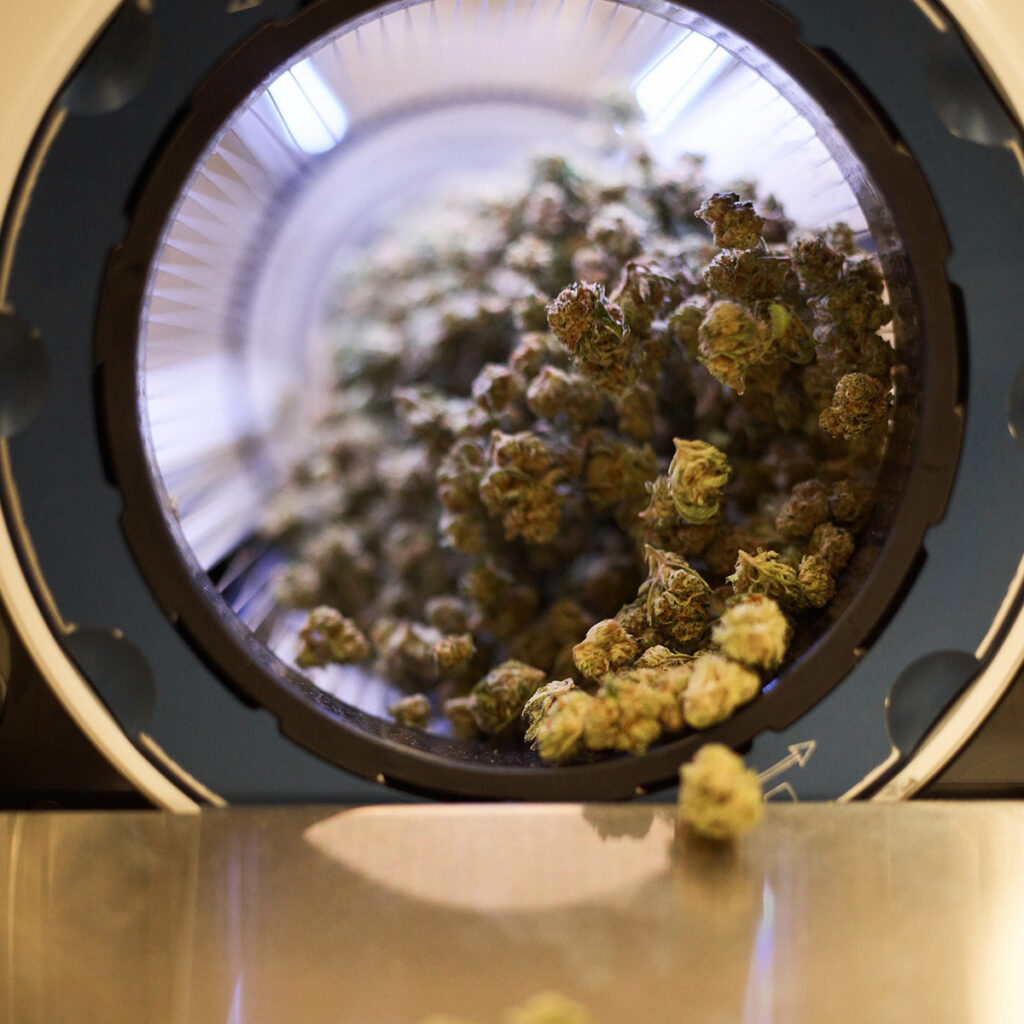
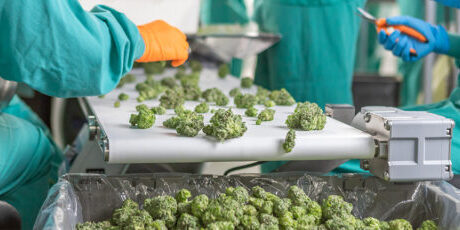
Following harvesting and bucking, trimming serves dual purposes: aesthetic refinement and potency concentration by excising fan and sugar leaves that dilute cannabinoid density. Whether you are wet or dry trimming, machine trimmers will produce a consistent trim across different batches and harvests while maintaining trichome potency without under- or over-trimming.
Manual trimming, though labor-intensive, risks inconsistency; while automated alternatives ensure uniformity. This efficiency translates to yield increases from handling smaller buds that manual methods overlook, coupled with pure trim ready for secondary processing like kief extraction.
Drying and Quality Preservation
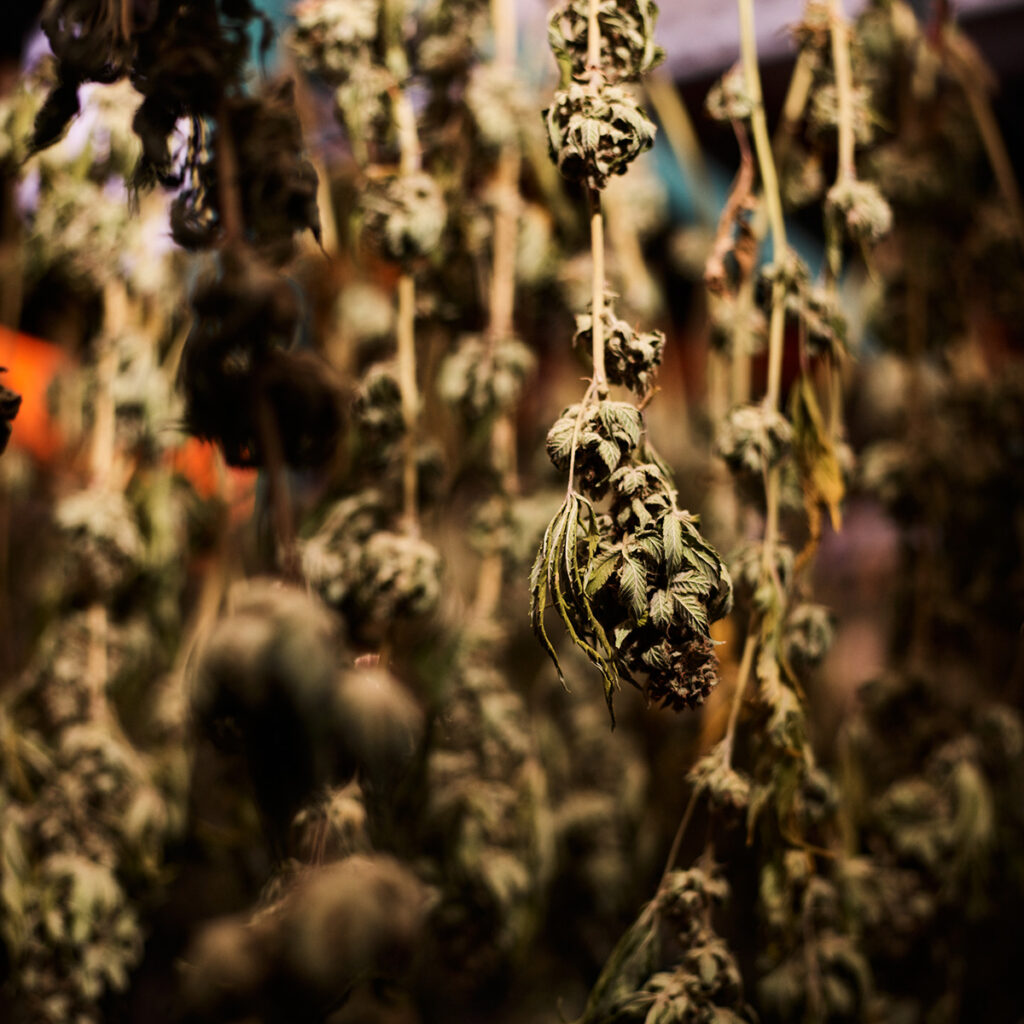
Drying is arguably the most pivotal post-harvest step, reducing overall moisture from 75-80% to about 10-15% to prevent microbial proliferation while locking in volatiles. Hang branches upside down in darkness or use mesh racks for even airflow, monitoring with hygrometers to avoid case hardening, where outer layers dry prematurely and trap interior moisture.
Mobius complements drying with downstream tools like the M210 Mill, which grinds cured material for pre-roll production or extraction without generating excess heat that could volatilize terpenes.
Curing: Refining Flavor, Potency, and Stability
Curing follows drying, a multi-week process in airtight glass jars that equalizes moisture and enhances biochemistry. “Burping” the jars is necessary to release any built-up CO2 and excess humidity. Consistently monitor your flower with humidity packs or digital sensors; over-curing risks terpene evaporation, while under-curing invites mold.
Storage and Long-Term Preservation: Safeguarding Value
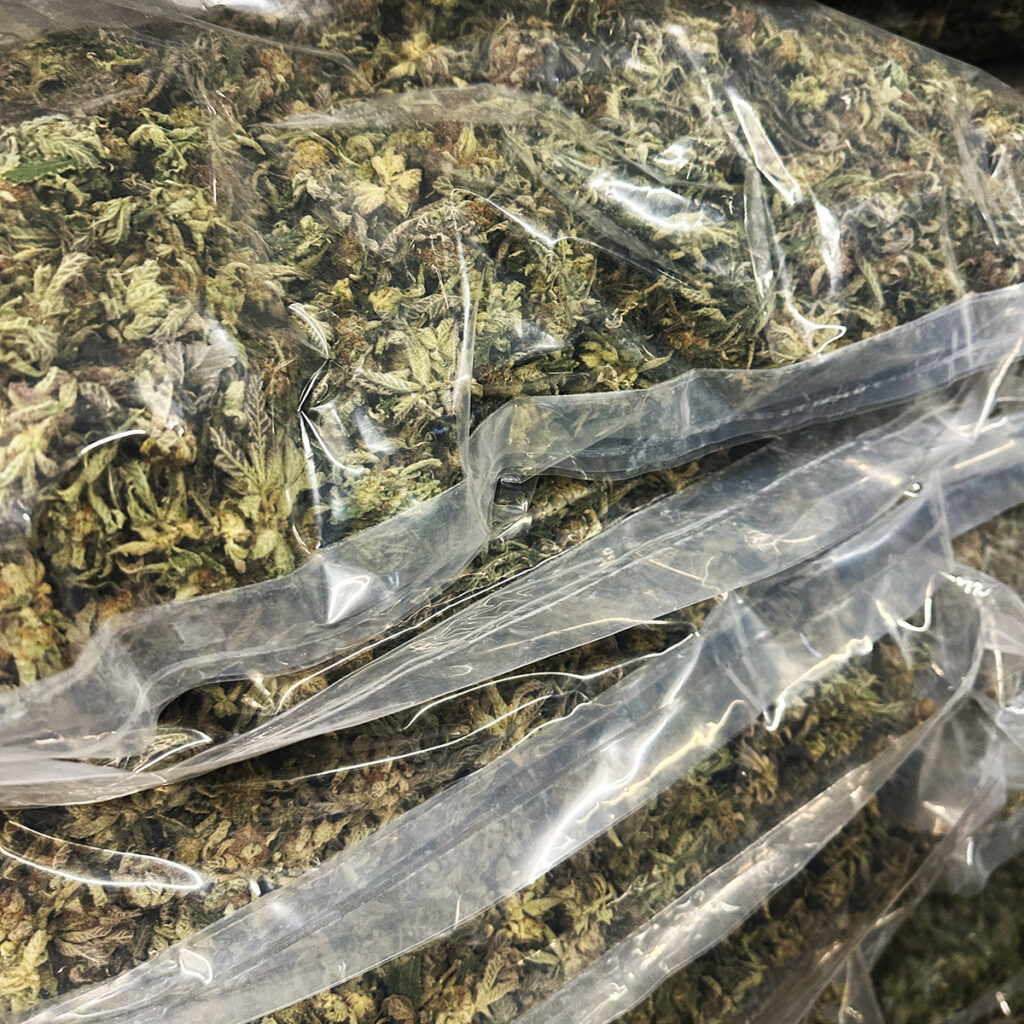
Proper storage extends post-harvest viability, protecting against light-induced oxidation and humidity fluctuations. Store in air-tight containers in a cool, dry, and dark space with a controlled environment to monitor temperature and humidity.
For bulk operations, climate-controlled vaults with UV barriers are ideal. Some cannabis producers opt to use nitrogen packaging for storage, a process that involves removing oxygen from the container and replacing it with nitrogen gas. After the cannabis has been cured, it is placed into packaging that has not yet been sealed, and food-grade nitrogen is introduced to displace oxygen along with any moisture present in the air. However, since nitrogen flushing can be both costly and time-intensive, most producers prefer to vacuum seal their cured cannabis as a more practical alternative.
Milling and Extraction: Capturing New Revenue Streams
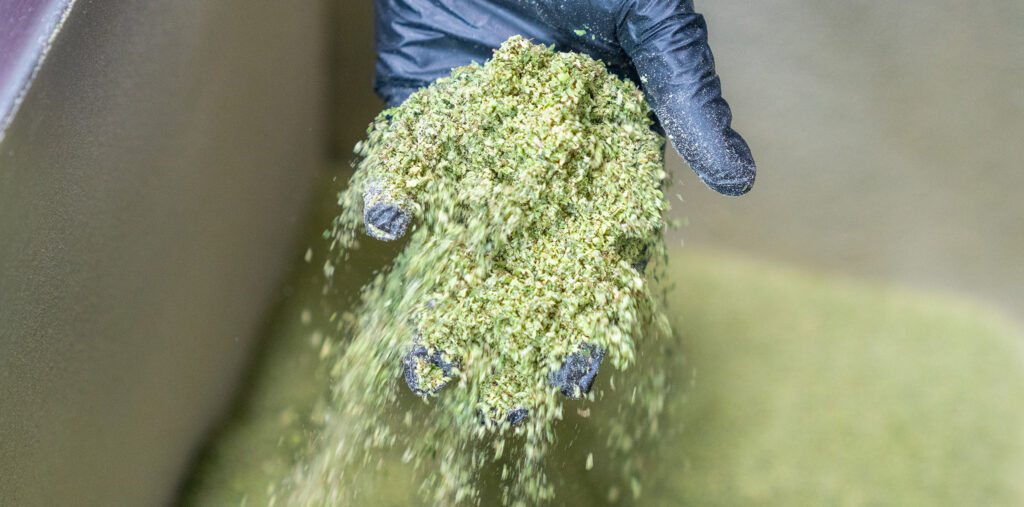
For processors creating pre-rolls and extracts, post-harvest quality dictates purity and yields downstream. Milling reduces the particle size to a consistent and uniform grind, making pre-roll and extraction processes efficient.
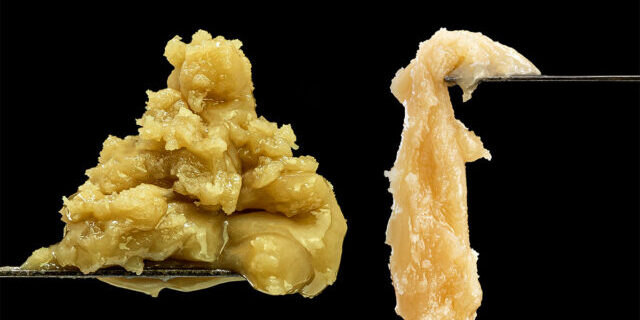
In addition to the premium flower market, selling pre-rolls, infused products, and extracts holds massive profit potential, capitalizing on every part of each harvest. The demand for these products has grown exponentially in recent years, with the pre-roll segment accounting for 15% of the legal market in 2024, making up $3.1 billion in US sales. Similarly, the global extract market is expected to reach $23.1 billion by 2032.
Quality Control and Regulatory Compliance: Ensuring Consistency in Every Batch
Maintaining product quality extends all the way through post-harvest with rigorous testing: measuring potency levels, microbial testing, and residual solvent analysis. Post-harvest production facilities and labs verify compliance, with data logging for traceability.
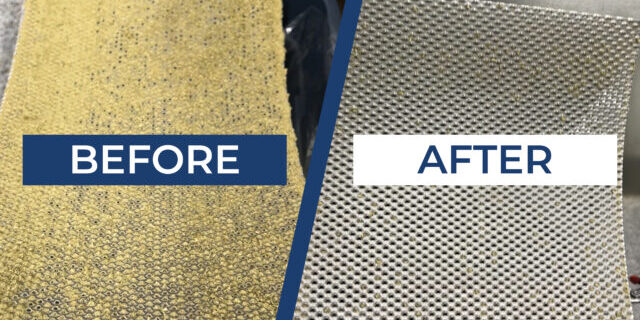
Mobius equipment bolsters this with hygienic designs that comply with regulatory standards like GMP, ensuring that every step of processing follows industry guidelines. Cleaning the equipment and maintaining a sanitary processing environment is also factored into quality and compliance, directly impacting the functionality of each machine. When flower is run through a poorly maintained or residue-filled machine, it risks contamination and product loss, which impacts profitability. Operating with clean and sanitary equipment is crucial for consistency across different batches and harvests.
Advanced Innovations: Automation and Overcoming Common Pitfalls
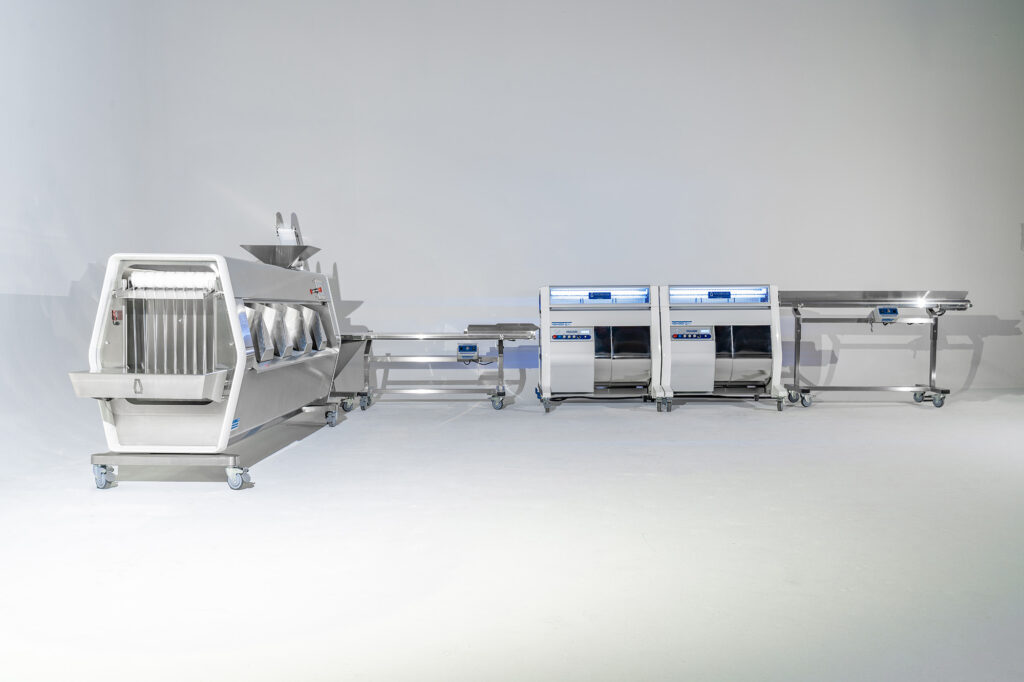
Common hurdles in post-harvest processing include over-drying (terpene loss) and improper processing (over- or under-trimming). With the technology and tools available today, these challenges are easily remedied, and companies can safeguard their investments. Features like adjustable settings, lubricant-free designs, and tool-free disassembly for easy cleaning ensure you deliver a high-quality product that your consumers can trust.
Post-harvest cannabis processing is where science meets craftsmanship, transforming raw potential into premium products. By prioritizing controlled environments and precise equipment like Mobius trimmers and buckers, as well as data-driven decisions, cultivators can maintain potency, flavor, and profitability.
Ready to optimize your processing? Explore Mobius’ Automation Suite today and join producers revolutionizing post-harvest efficiency.

Explore Mobius’s full product range of post-harvest processing equipment: